
Capability compounds when localization follows demand.
Rimal’s development model is designed to connect international technology with Saudi qualification, local operating support and progressively deeper industrial capability — with irreversible capital commitments gated by evidence.
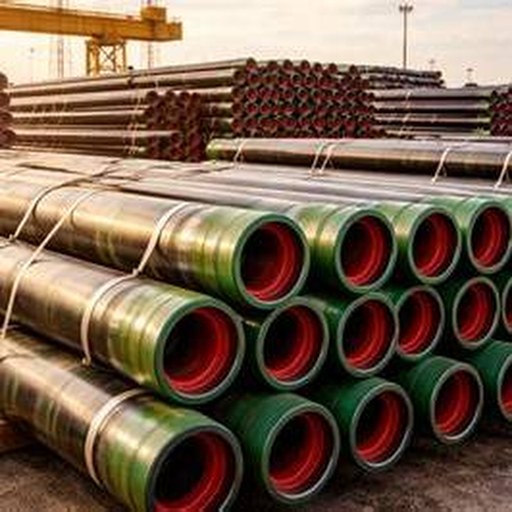 Representative sector imagery
From technology partner to Saudi industrial capability.
No financial forecasts or unsupported market-share claims are used; the proposition is structural.
Five stages. Each one must earn the next.
The corporate profile explicitly links progression to customer standards, technical readiness, demand and economics.
Qualify
Customer standards, technical requirements and vendor pathways.
Local Support
Technical interface, documentation, service and responsiveness.
Assemble & Test
Controlled Saudi assembly, testing and quality processes where applicable.
Manufacture
Add local machining / production only where demand, qualification and economics support it.
Regionalize
Use proven Saudi capability to serve selected regional opportunities.
Capital depth increases only after readiness is proven.
Stage gates separate early customer support from broader manufacturing commitments.
Local Service
Technical support, documentation, spare-parts coordination and customer responsiveness.
Assembly / Test
Controlled assembly, inspection and testing for selected qualified products.
Machining / Components
Selective local machining / component processes where volumes justify capability.
Broader Manufacturing
Expand process depth only after demand, qualification and utilization are proven.
Regional Supply
Use proven Saudi capability to support selected GCC / regional customers and partners.
Capital Discipline
Technical readiness, customer demand, quality evidence, economics and governance approval.
Six gates from strategic fit to scale.
The same discipline applies to customer entry and product qualification.
Screen
Strategic fit, customer need, partner capability and economics.
Align
Technical scope, customer standards, qualification path and responsibilities.
Qualify
Vendor documentation, product qualification, inspection and testing evidence.
Prove Demand
Commercial orders, repeat demand, service requirements and backlog visibility.
Localize
Select local processes and capacity based on proven requirements.
Scale
Increase investment after performance, utilization and economics are demonstrated.
Controlled commitments. Accountable delivery.
The execution lifecycle combines opportunity screening, technical alignment, commercial structure, planning, delivery and learning.
Screen
Strategic fit, customer need, partner capability and economics.
Align
Technical scope, standards, qualification and responsibilities.
Structure
Commercial model, funding, risk allocation and contracting.
Plan
Resources, supply chain, HSE, quality, cash and milestones.
Deliver
Coordination, reporting, issue escalation and customer communication.
Review
Performance, lessons learned, next gate and scale / hold / stop decision.
Kingdom first. Regionalization only after capability is proven.
Primary market: Kingdom of Saudi Arabia. Regional outlook: selected GCC / regional opportunities.